
Compare wood and composite decking for your Southern Maine home.

Compare initial cost, maintenance, surface temperature, appearance, fastening, and detailing. The condition of the frame and the character of the house should remain part of the decision.

Pressure-treated lumber · Composite decking · Railings · Fasteners + trim

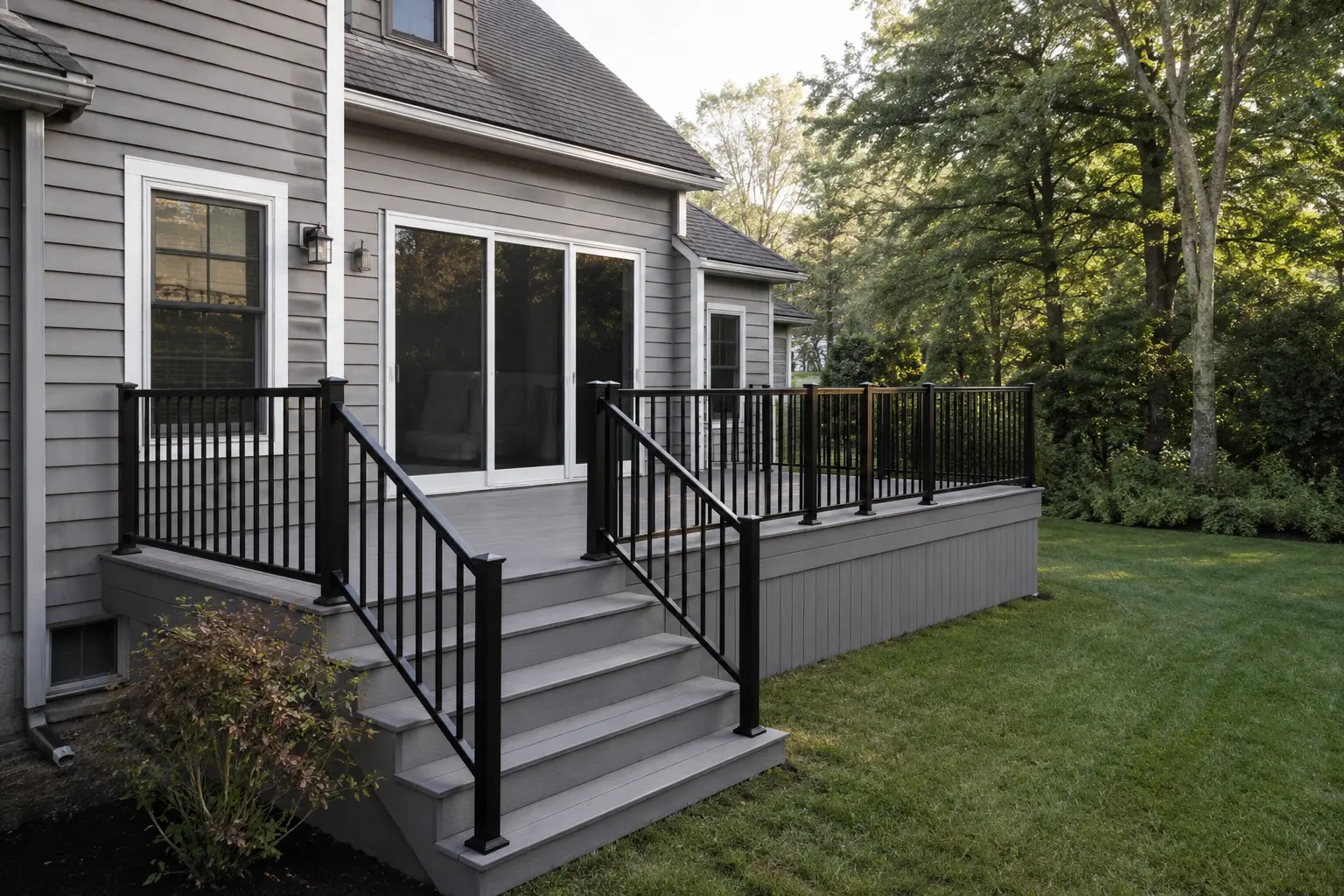
Gray composite deck and its relationship to the house
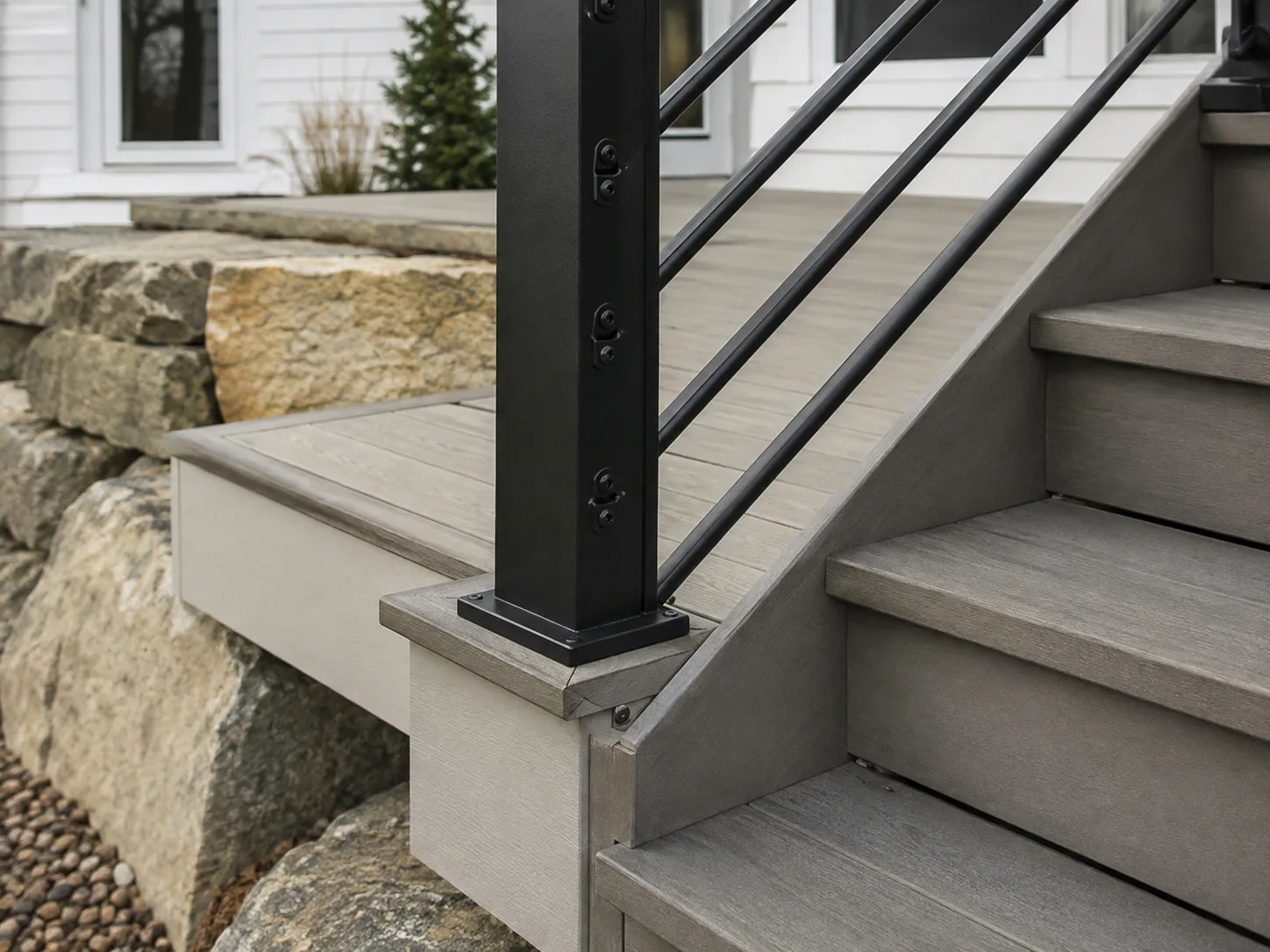
Decking, fascia, stairs, and railing details

Is pressure-treated lumber a good choice for a deck?

Pressure-treated lumber can be a practical choice for framing and for homeowners who value a lower initial material cost. As a visible surface, it changes with weather and asks for cleaning and periodic protection if you want to control that change.

It is not the “cheap answer” by default. On the right project, it is the honest one.

What should homeowners know about composite decking?

Composite decking avoids the staining cycle of wood boards, but product line, color, heat, expansion, joist spacing, fastening, and edge treatment all affect the result. An upgrade is only as good as the frame receiving it.

TimberTech appears in current Sinclair Construction deck work, but the right product line, color, and fastening approach still depend on the project.

How do pressure-treated wood and composite decking differ?

DecisionPressure-treatedComposite
Up-front costTypically lowerTypically higher
Routine careCleaning plus periodic finish, depending on exposureCleaning; no stain or sealer required for the board surface
Surface characterNatural variation and weatheringControlled color and grain pattern
HeatVaries by species and finishDarker colors can become noticeably hot in direct sun
Frame requirementNeeds a sound, correctly spaced frameAlso needs a sound frame; product spacing and fastening matter

Plan the fasteners, fascia, railings, and color together.

Fasteners

Face screws and hidden systems change appearance, movement, serviceability, and installation requirements.

Fascia + edges

The edge is where board ends, framing, stair stringers, and trim meet. It needs a planned detail, not a cover-up.

Railings

Rail material, post placement, infill, and top-rail profile affect both the view from inside and how solid the deck feels in use.

Color

Use the house siding, trim, roof, sun exposure, and what is visible from indoors—not a small sample in isolation.

Choose deck colors and details that work with the house.

Photos of the siding, trim, door, and yard are more useful than a color name viewed in isolation.

Request a deck quote

Want composite, but unsure what the old frame can support?

Describe the existing deck and material preference. The structure should be evaluated before selecting a product line or color.

Include anything the selections above do not explain, such as stair changes, access, or a concern at the house connection.

Submitting allows Southern Maine Decks to respond about this project. Prefer to talk? Call (207) 233-5787.